

Winter Property Damage: Prepare Your Toronto Home
Winter property damage can start with a leak, frozen pipe or water entering during a thaw. First, look at the parts of your home that have caused trouble before. Then plan repairs and keep contact details ready. Small checks can help you spot concerns, although no routine removes every risk.
This guide covers common warning signs, questions to ask and steps to discuss if damage occurs. Our property restoration services cover cleanup and repair planning for Toronto and GTA homes. The right approach depends on the source and affected materials.
Common Causes of Winter Property Damage
Cold weather, snow and later thaws can affect different parts of a building. For example, water may enter at the roof while dampness appears on a ceiling below. Watch for these concerns:
- Frozen pipes: exposed plumbing in cold areas may freeze. If a pipe leaks or bursts, both plumbing work and water cleanup may be needed.
- Roof leaks: snow, ice and existing roof faults can allow water inside. However, a ceiling stain alone does not identify the cause.
- Basement water: melting snow can reveal drainage or seepage problems. Also check areas where water has entered before.
- Indoor dampness: condensation and leaks can leave materials wet. Therefore, returning musty odours deserve attention even when the surface looks dry.
Keep a dated note of new stains, drips or changes. If conditions worsen, share those details when arranging an assessment.
Plan a Pre-Winter Property Check
Start with known issues rather than assuming each room needs the same work. A plumber, roofer or other suitable trade may need to address the source. A restoration assessment can then focus on the damage and cleanup needs.
- Review past roof leaks and water marks.
- Check for recurring basement dampness.
- Discuss exposed pipes in unheated spaces.
- Review gutters, downspouts and drainage concerns.
Next, ask which repairs should come first and what further checks may be needed. For a condo, also tell the building manager about shared pipes or affected common areas. Keep the plan and contact names in one place.
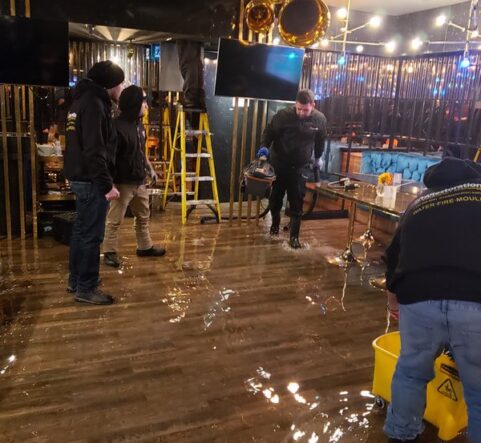
Water removal is one stage of a property cleanup plan.
Restoration After Winter Property Damage
If damage occurs, first keep clear of immediate hazards. Do not enter a flooded room to inspect electrical equipment. Instead, explain the situation when calling for help. After a fire, follow the instructions of emergency authorities before arranging access.
- Water cleanup: discuss extraction, moisture checks and drying with our water damage team.
- Smoke and soot: review affected rooms, finishes and belongings as part of a fire restoration plan.
- Mold concerns: address dampness as well as visible growth. Our mold service guide explains what to ask.
- Sewage concerns: report possible contamination when calling. It changes how the affected space and materials should be assessed.
Then confirm entry arrangements, current availability and the next step. Cleanup, drying and repairs may involve separate stages, so ask what each part of the quote covers.
Keep Records for Your Insurer
Coverage for winter property damage depends on the policy and cause. Therefore, contact your insurer and ask what records it needs. The Insurance Bureau of Canada’s water-damage information explains different water risks and coverage considerations.
When safe, keep useful project records:
- Dated photos and notes about affected rooms.
- Assessment findings and the agreed scope.
- Quotes, invoices and approved changes.
Also ask before discarding damaged belongings when a claim is involved. A contractor can describe the work, but your insurer decides coverage. Keep both conversations clear and separate.
Seven Checks Before Cold Weather
Use these checks to plan maintenance and reduce winter home damage:
- Review roof concerns. Arrange suitable help for missing shingles or leaks; avoid unsafe roof access.
- Check drainage. Discuss blocked gutters and downspouts with a suitable service provider.
- Note gaps and stains. Record changes around windows, doors and basement walls.
- Review exposed plumbing. Ask a plumber about pipes in cold areas and locate the water shutoff.
- Check sump equipment. Follow its maintenance instructions and ask about faults before a thaw.
- Arrange heating maintenance. Use a qualified provider for the equipment involved.
- Keep contacts ready. Store your insurer’s details and key building contacts where you can find them.
Finally, revisit unresolved repairs. Seasonal checks support maintenance; they do not guarantee that winter damage will not occur.
Discuss the Work Your Property Needs
Restoration Toronto helps plan cleanup after winter property damage, including water leaks and fire damage. Before booking, ask about the affected materials, site access and work boundaries. For example, a basement cleanup may need a different plan from water entering an occupied shop.
- Scope: identify the rooms and tasks included.
- Access: explain stairs, parking and building rules.
- Updates: agree on a contact for questions.
- Completion: clarify which repairs remain after cleanup.
These details help you compare estimates and understand the next stage. Also keep a record of changes if further damage becomes visible during work.
Plan Your Next Step Before Winter
Winter property damage is easier to discuss when you have clear notes. Prepare your address, the source if known and the rooms affected. Then call to discuss availability and an appropriate assessment.
For urgent water, fire or building damage, see our emergency restoration information. For general questions, use the contact form below.
Restoration Toronto Enquiries
Share this... Spread the word!


