Planning Emergency Restoration After Property Damage
First, explain what happened and whether the problem is still active. Storm damage, a broken pipe and vandalism can involve different hazards and repair priorities. Therefore, a clear description helps our team discuss the appropriate next steps and what information is needed for an assessment.
If there is an immediate threat to life, contact emergency services. Keep people away from unstable materials, damaged electrical equipment and other unsafe areas. Restoration work should follow the instructions of the relevant emergency responders and qualified trades.
Storm and Wind Damage
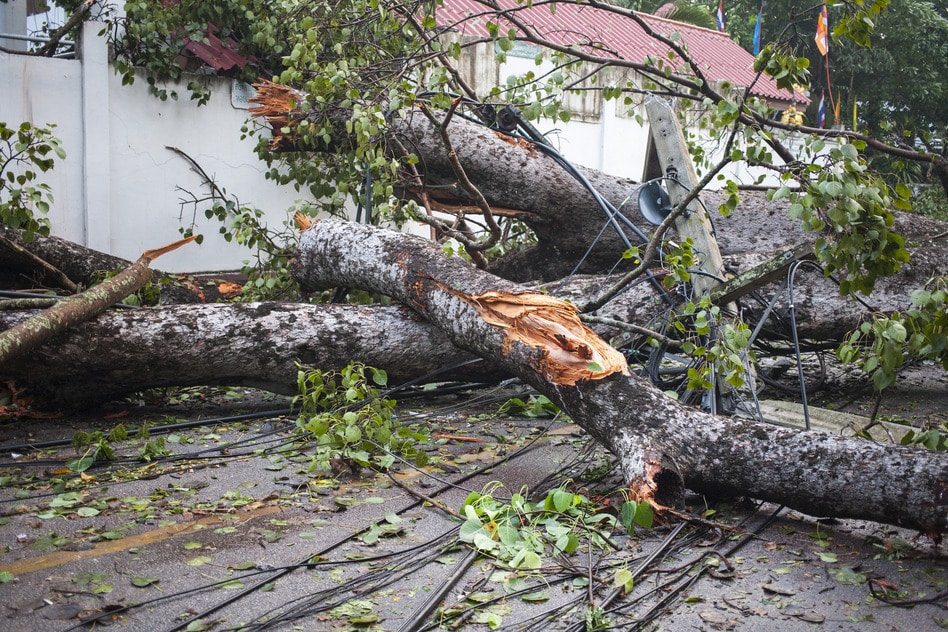
Strong winds and fallen branches can damage roofs, windows and exterior finishes. Afterwards, water entry may affect ceilings, insulation and belongings. Tell us which areas are exposed, whether rain is still entering and whether safe access is available. The assessment can then consider temporary protection and the work needed to restore affected areas.
Vandalism and Broken Openings
Damage to doors, windows and finishes can interrupt the use of a property. First, document what you can from a safe location and follow any police instructions. Next, discuss securing the affected opening and removing damaged materials as part of the proposed emergency restoration scope.
Water-Related Emergencies
Leaks and flooding may require water removal, drying and repair planning. However, the source and condition of the water affect the approach. Visit our water cleanup and drying page for related services, and describe any active plumbing issue when you call.
What to Have Ready When You Call
- Your property address and a callback number.
- A short description of the damage and when it occurred.
- Details of active leaks, exposed openings or access restrictions.
- Photographs taken only from a safe location.
- The name of the person authorized to approve the proposed work.
- Any instructions already received from your insurer or building manager.
Do not delay an urgent call because you lack photographs or documents. Instead, share what you know and explain what remains uncertain. We can discuss the next information needed for an emergency restoration assessment.
Scope, Estimates and Communication
The proposed work depends on the damage, affected materials and access to the site. Ask which immediate measures are included and which repairs require further assessment. In addition, clarify how changes will be approved if concealed damage becomes visible during the work.
For businesses and managed buildings, identify a main contact who can coordinate access and decisions. This helps keep tenants, staff and contractors informed about the agreed schedule. Also, tell us about restricted areas, loading access and building rules before an appointment.
Keep project photographs, estimates, invoices and correspondence together. If you plan to make an insurance claim, contact your insurer for guidance about your policy. The Insurance Bureau of Canada provides information about flood and water damage coverage. Coverage depends on the policy and circumstances; restoration work does not guarantee a claim will be accepted.
Emergency Restoration Questions
Can I call outside normal business hours?
Yes. Call 416-888-3054 for 24/7 emergency assistance. Describe the damage and location so we can discuss availability and next steps. Arrival timing depends on the situation and scheduling.
Do you help both homes and businesses?
We handle enquiries for residential and commercial properties in Toronto and the GTA. Tell us how the property is used so the assessment can account for occupancy, access and communication needs.
What happens after the immediate work?
Once immediate concerns are addressed, review the remaining repairs and any drying or further investigation required. Finally, confirm which work is included in the agreed scope and which items need separate arrangements. You can also send our team a non-urgent enquiry.